Exam stress can be normal for children preparing for junior cert exams. The pressure levels can be high leaving children feeling anxious and overwhelmed. While some stress may be normal and help perform better, too much of it can lead to burnout and exhaustion affecting the mental health and performance of the children.
The key is to approach your studies strategically, with balance, planning, and healthy habits. This guide offers practical advice on how to revise effectively while keeping stress under control.

Understanding the reason behind exam stress is one of the first step to control it. Exam stress doesn’t arise from a single cause; it’s usually a combination of academic, emotional, and environmental factors. Recognizing these reasons can help students take practical steps to reduce anxiety and improve focus.
Some common reasons for exam stress include:
- High Expectations:Many students feel pressure from parents, teachers, or even themselves to achieve top grades. This can make every revision session feel critical and add extra mental load.
- Fear of Failure: Worrying about failing or underperforming on exams can create anxiety, which sometimes prevents students from starting revision at all.
- Time Management Issues: Feeling like there isn’t enough time to cover all subjects or revise every topic can make students panic, especially if they leave preparation until the last minute.
- Heavy Workload: Juggling schoolwork, homework, revision, and extracurricular activities can leave students mentally and physically drained, increasing stress levels.
- Uncertainty About Exams: Not knowing what questions will appear, how they’ll be assessed, or which topics will appear can make even well-prepared students feel uneasy.
It’s important to remember that experiencing some stress is normal, stress can motivate and sharpen focus. The problem arises when it becomes overwhelming, causing sleep disturbances, poor concentration, or physical symptoms like headaches and fatigue. By identifying the sources of stress, students can adopt targeted strategies to reduce pressure and stay calm during exam season.
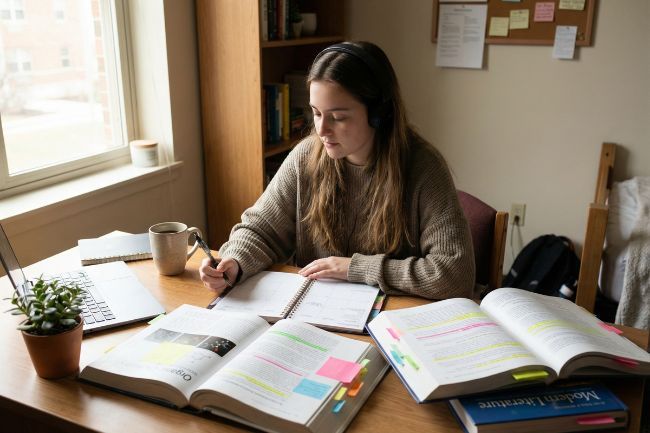
Once the causes of exam stress are understood, the next step is learning how to manage revision in a way that supports both performance and wellbeing. Effective exam preparation is not about studying longer hours, but about studying smarter and creating routines that are sustainable over time. The following strategies focus on practical planning, healthy habits, and mindset shifts that can help students feel more in control of their revision and better prepared for exam season.
One of the main reasons students feel stressed during exam season is due to poor planning of their study schedules. Last minute revisions and cramming sessions rarely help anyone; they only increase anxiety. A balanced study schedule helps revision be more sustainable and helpful. Instead of cramming at the last minute
- Break your study into manageable chunks: Aim for 45–60 minute focused study sessions with 10–15 minute breaks.
- Rotate subjects: Avoid spending too long on one topic; switch between subjects to maintain interest and focus.
- Plan realistically: Include short daily goals instead of trying to complete the entire syllabus in one session.
By using a structured approach, revision becomes less intimidating, and your brain retains information more efficiently.
Past papers are one of the most valuable tool available for revisions. They are the most effective when used strategically instead of passively. Focus on:
- Exam technique: Understand the types of questions commonly asked and how marks are allocated.
- Timing practice: Simulate exam conditions to improve time management and reduce anxiety on the day.
- Identify weaknesses: Use past papers to find areas that need extra revision, allowing you to focus your efforts strategically.
Even reviewing junior cert exam papers casually for key question types can boost familiarity and confidence.
Exam preparation should never come at the expense of wellbeing. Mental and physical plays an important role in revision and retention of information during exams. Incorporate these habits into your study routine:
- Sleep: Aim for 7–9 hours each night to consolidate memory and maintain focus.
- Exercise: Regular physical activity helps reduce stress and refresh the mind.
- Nutrition: Balanced meals and healthy snacks keep energy levels stable.
- Relaxation techniques: Meditation, breathing exercises, or short walks can calm nerves and prevent mental fatigue.
Maintaining your health ensures that your brain is ready to absorb and recall information efficiently.
Procrastination can increase exam stress instead of decreasing it. Syllabus usually feel overwhelming when viewed as whole which makes starting it even more daunting altogether. To stay on track
- Break the syllabus into smaller parts
- Reward yourself after completing some topics
- Study in an stress free environment
- Use active study methods, such as explaining concepts aloud or teaching a friend.
By maintaining motivation and focus, you can cover more material in less time without feeling overwhelmed.
Revision does not necessarily have to be boring and competitive. Using a variety of different study techniques can help make revision more understanding and improve long term retention. Try these strategies:
- Active Recall: Test yourself on key concepts rather than passively reading notes.
- Visual Aids: Use mind maps, diagrams, and charts to summarize information.
- Practice with Peers: Group discussions can help consolidate knowledge and highlight areas for improvement.
- Mix Learning Formats: Combine reading, writing, and online quizzes to make studying more interactive.
Variety in your study methods helps maintain interest and improves long-term retention of material.
Even after all the preparation, many students may feel nervousness and pressure on the actual exam days. Practicing some simple tricks and tips can help reduce anxiety and help children be better prepared. Some of the following techniques can help children
- Arrive early and avoid last-minute cramming.
- Focus on deep, steady breathing before starting the paper.
- Read each question carefully and plan answers before writing.
- Take short pauses if feeling overwhelmed to regain composure.
These small adjustments can make a significant difference in your performance.
Tracking revision can help students stay more focused and organised and reduce uncertainty. Keeping track of progress can help reduce stress and improve efficiency:
- Maintain a checklist of topics revised.
- Note areas that need further practice based on past paper results.
- Reflect weekly on what revision methods worked best.
Tracking progress provides a sense of control and ensures no topic is overlooked.
Even with effective planning, burnout can happen. Warning signs include fatigue, lack of focus, irritability, and decreased motivation. To prevent it:
- Take regular breaks, ideally including outdoor time.
- Balance study with hobbies and social interaction.
- Avoid comparing yourself to peers excessively.
Burnout prevention is as important as mastering content—it ensures you can perform at your best during exams.

Exam revision doesn’t have to feel overwhelming. By understanding the causes of exam stress and building balanced study habits, students can prepare more effectively while protecting their wellbeing. Small, consistent efforts, realistic planning, and regular breaks can greatly improve both confidence and performance during exam season.
For additional academic support and structured guidance, explore
Junior Cert grinds and exam support, learn more about effective revision strategies for students, or find out how online tutoring can support exam preparation throughout the school year.